


Powell Canada, Inc.
A facility utilizing a clearspan system advances from design to completion in less than 12 months, supporting heavy crane demands, full integration and rapid workforce growth.


Project
Overview
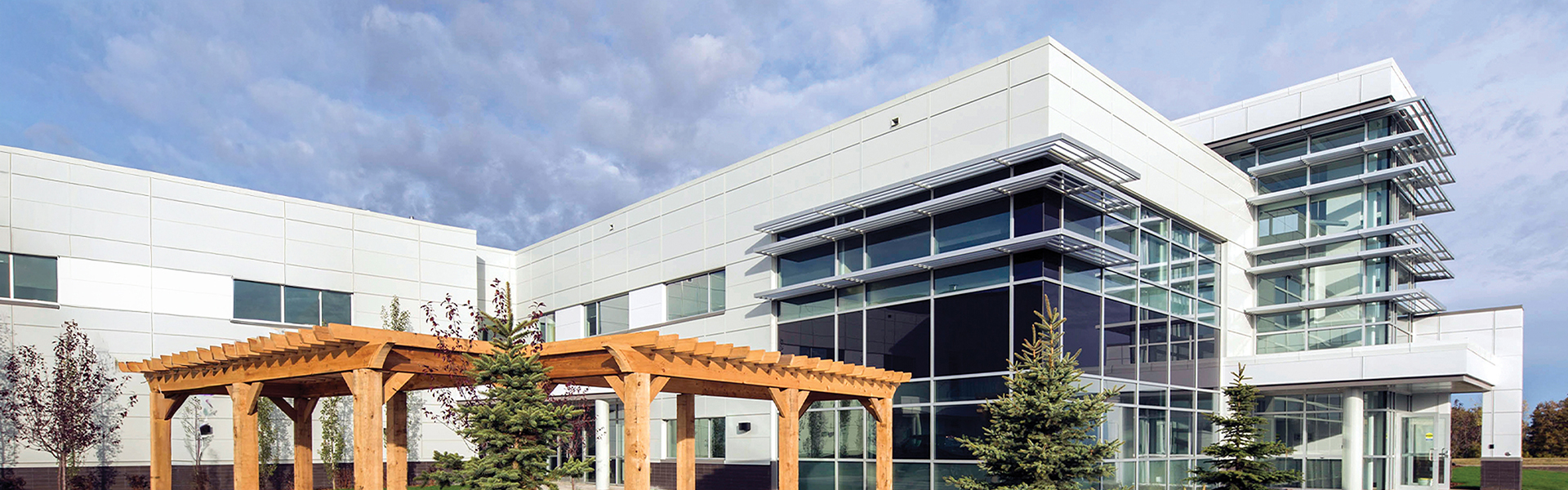
For a new facility, Clark Builders, a Butler Builder® for more than 30 years, proposed a design-build and construction management approach that emphasized collaboration and early planning.
That alignment proved essential as the scope expanded to nearly 160,000 square feet, with 123,000 square feet built using Butler® systems. The design-build process enabled Clark to stay responsive as Powell’s operational requirements evolved.
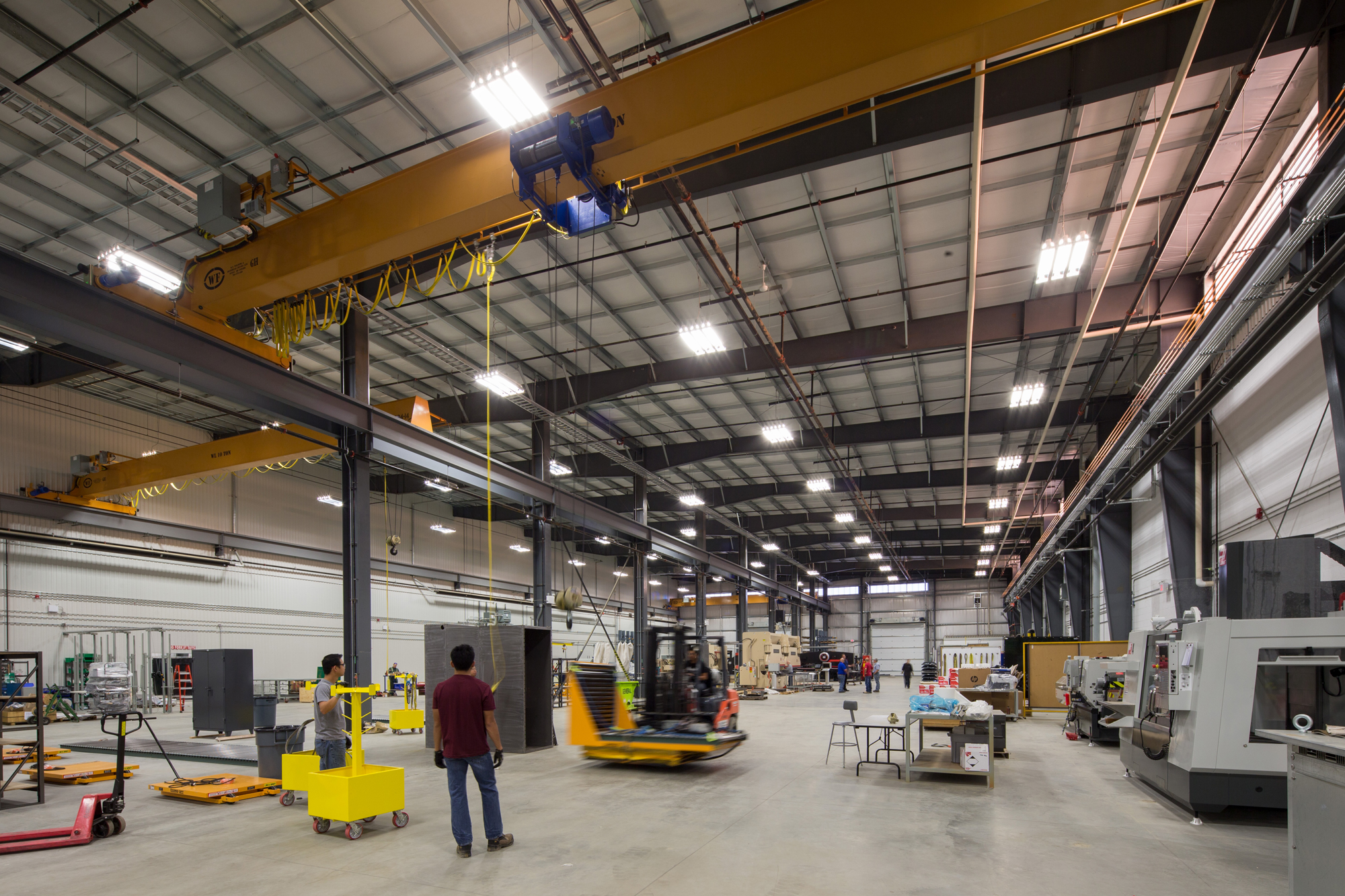
Function defined the solution. The project required a structure capable of supporting significant crane loads, clear heights and the movement of fully assembled e-houses. A clearspan structural system met those demands.


Canada’s oil and gas sector continues to expand at a scale that demands reliable, high-performance infrastructure. In Alberta, where production and industrial activity lead the nation, companies that support the energy market require facilities engineered for volume, precision and long-term growth. Powell Canada Inc. reached that point as its packaged engineered solutions business accelerated across the province.
Powell’s origins reach back to 1947, when the company began as a metal fabrication shop in Houston. Over decades, it evolved into a leader in electrical equipment and integrated power control structures, introducing the first e-house in 1968. When Powell entered the Canadian market in 2009, the company saw immediate opportunity in Alberta’s energy sector and set out to build a permanent manufacturing presence that matched its technical capabilities.
During its early years in Alberta, Powell Canada operated from a small facility. The company’s goal was clear: become the only Alberta manufacturer able to build electrical equipment, fabricate E-Houses and perform full integration, including onsite system validation.
As Fred Mudge of Powell Canada noted, “We were keenly focused on being the only company in Alberta to not only manufacture e-houses but assemble the equipment required and fully handle the integration process. We knew that would be a key differentiator for our customers, and we needed the space to make it happen.”
Good planning solves almost all problems. Collectively, this group planned very well and executed a big, complex and well-managed project.
The six-story configuration provided the 40-foot hook height and uninterrupted interior volume needed to build, test and load each completed unit. Tim James of Clark Builders summarized the approach: “Good planning solves almost all problems. Collectively, this group planned very well and executed a big, complex and well-managed project.”
The facility also includes a combined blasting and painting booth, a separate powder coating area and a layout engineered for future expansion as demand grows. This integrated planning ensured Powell could scale its operations without disruption.
The project moved from design to completion in less than 12 months. According to Fred Mudge, “The flexibility of Clark Builders, coupled with the vast building and design experience of Butler, helped us build a facility that meets our needs. Clark operated as an extension of Butler, and that relationship really helped us fast-track the completion of the building.”
Powell set out to build a comprehensive manufacturing and integration hub for the Alberta market. The investment delivered that capability and supported rapid growth. Powell Canada began with 17 employees in its electrical equipment division and now employs more than 300. Following the success of the initial facility, Powell again partnered with Clark to double its size, creating space for nearly 800 employees and positioning the company for continued expansion.
This project demonstrates the assurance that comes from disciplined planning, a strong partnership between Butler and builder and precision-engineered systems designed for performance and long-term value.


