


As building design adapts to meet shifting demands — driven by climate conditions, fluctuating business needs, and evolving regulatory standards — flexibility has become essential.
Designs that stand the test of time, structurally and aesthetically, require an eye beyond today into the future. Pre-engineered metal buildings (PEMBs) play an important role in this long-term design approach. These systems are well-suited for a variety of expansion, retrofit, and modular strategies — making them a smart fit for building teams who want to design for change without sacrificing quality or performance.
The American Institute of Architects says, “Design for adaptability happens at the beginning of the building’s lifespan; it means intentionally designing the building so that adapting it for future uses is not impossible or cost prohibitive.” 1
With the expertise and support of Butler Manufacturing™, project teams fulfill this intent by enabling forward-looking design strategies that perform from Day One — and evolve gracefully as needs change.
Building at Scale
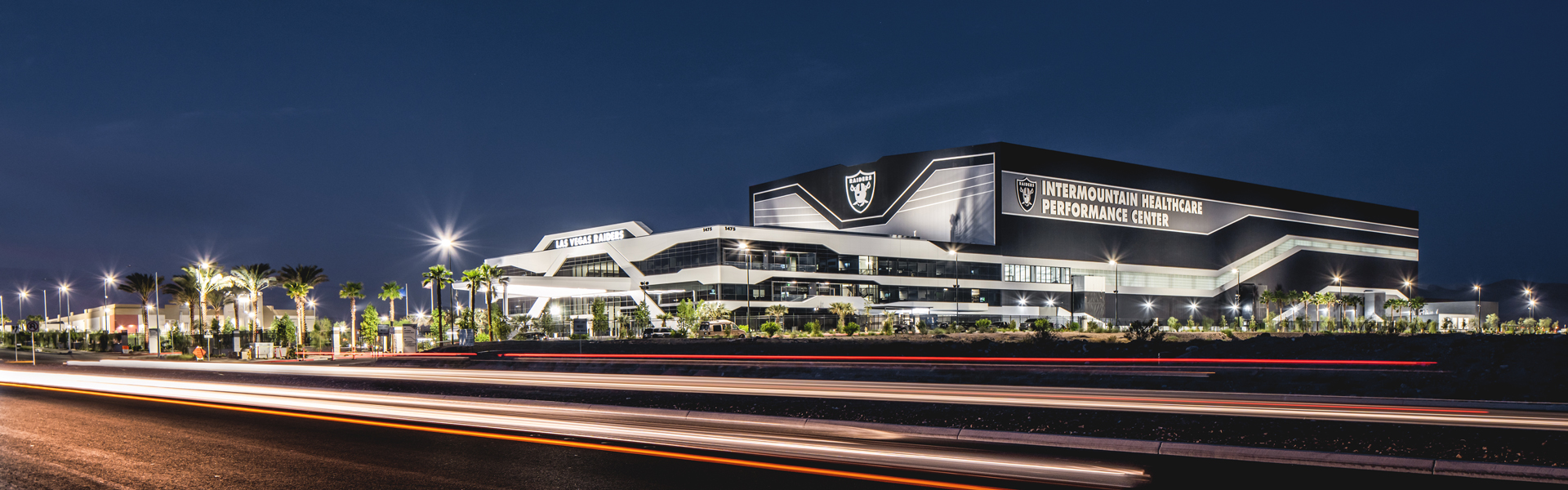
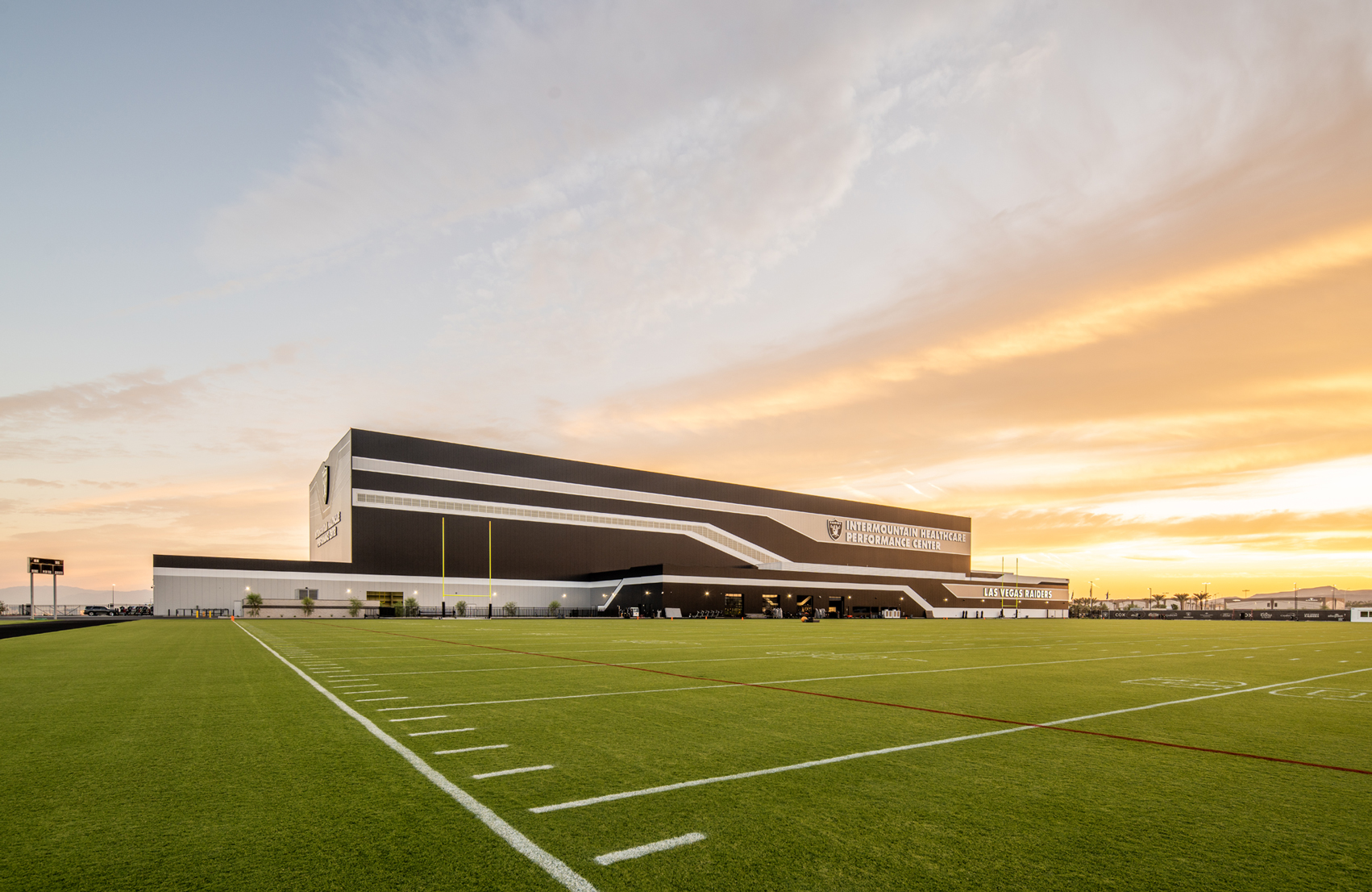
When the NFL’s Raiders moved to Las Vegas, they needed a practice facility with the panache and scale to fit one of the league’s signature franchises. The resulting structure needed to withstand the desert climate and the heavy athletic use of a pro football team, and it had to meet a strict height restriction because of its proximity to the city’s airport.
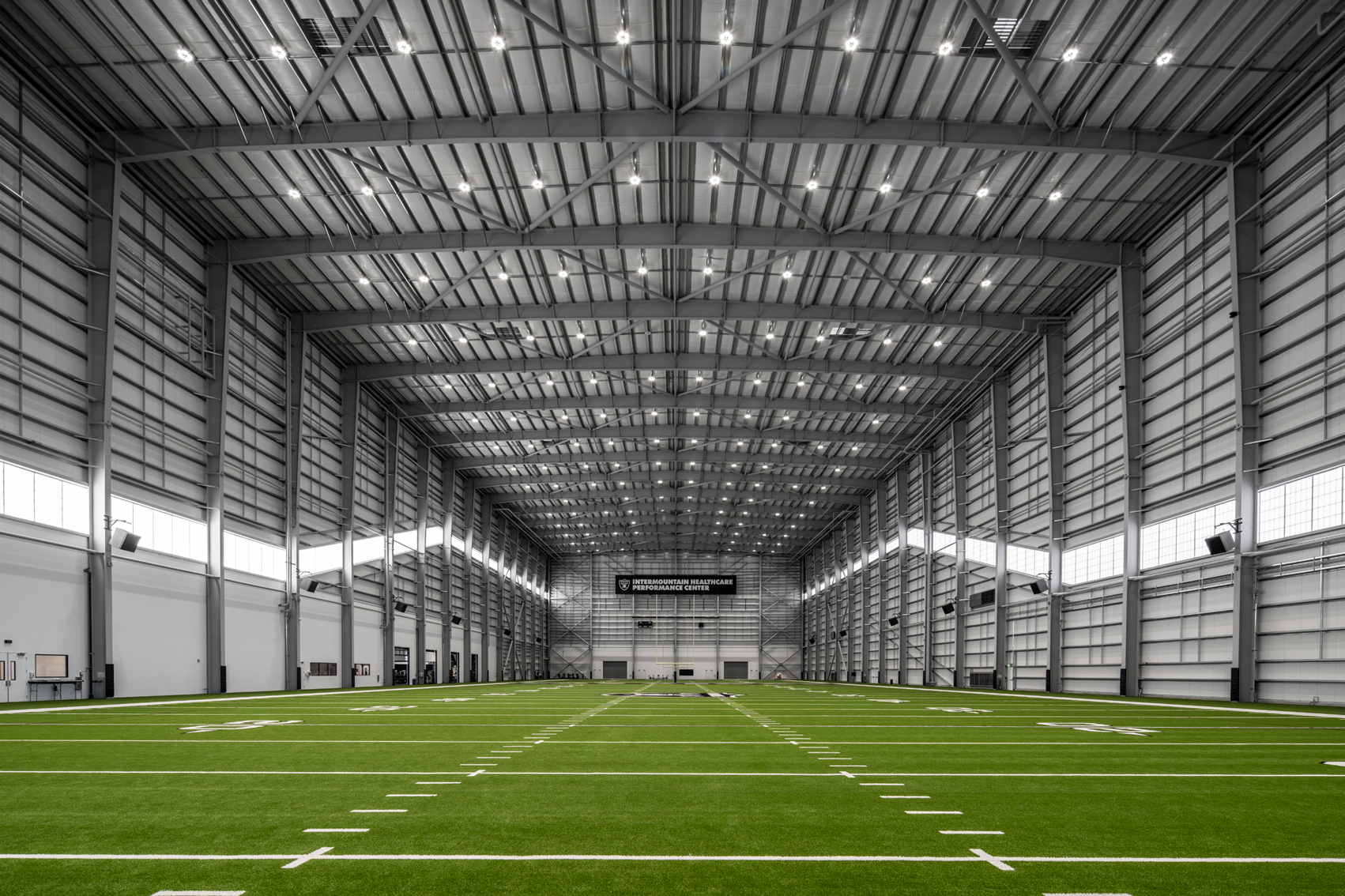
The solution? A custom-engineered indoor practice facility from Butler Manufacturing featuring a 100-foot clear span across the entire width of the playing field. At 108 feet high, the structure gives the team the ability to simulate every play, making this the largest field house in the league. To achieve this, Butler’s Heavy Structures team blended deep engineering expertise with conventional steel and the pre-engineered MR-24® Roof System.
This structure meets the team’s functional requirements today while offering scalability for tomorrow. The building’s modularity and durability make future expansion or adaptation feasible, and the long-span framing eliminates interior columns, increasing long-term layout flexibility.
Modular Flexibility
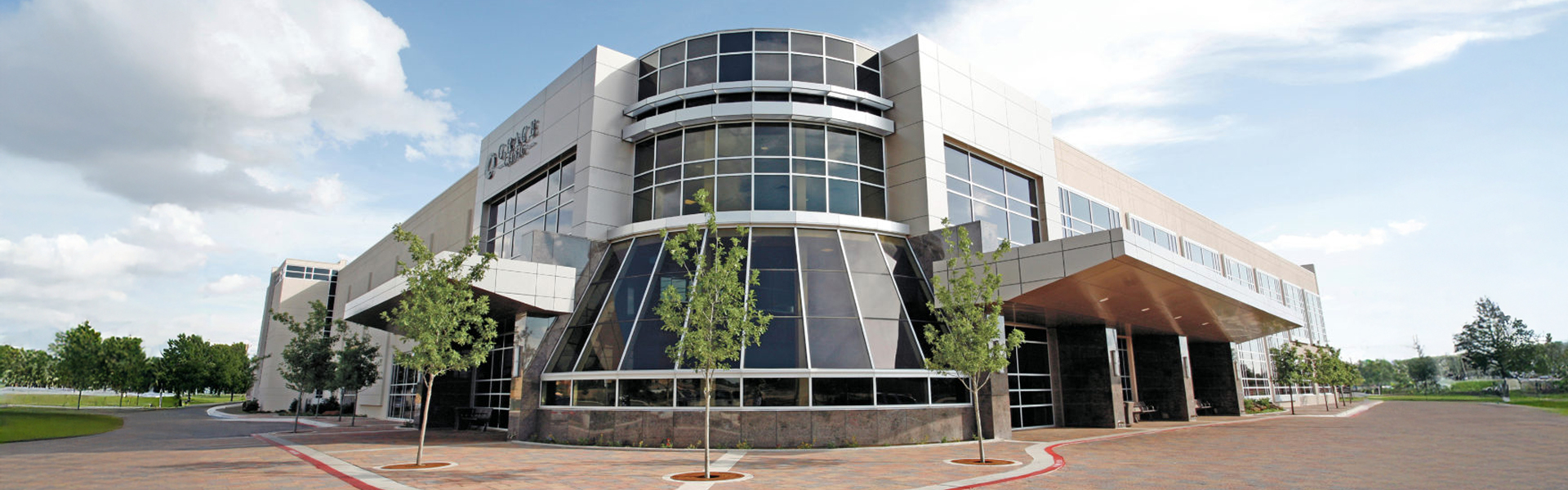
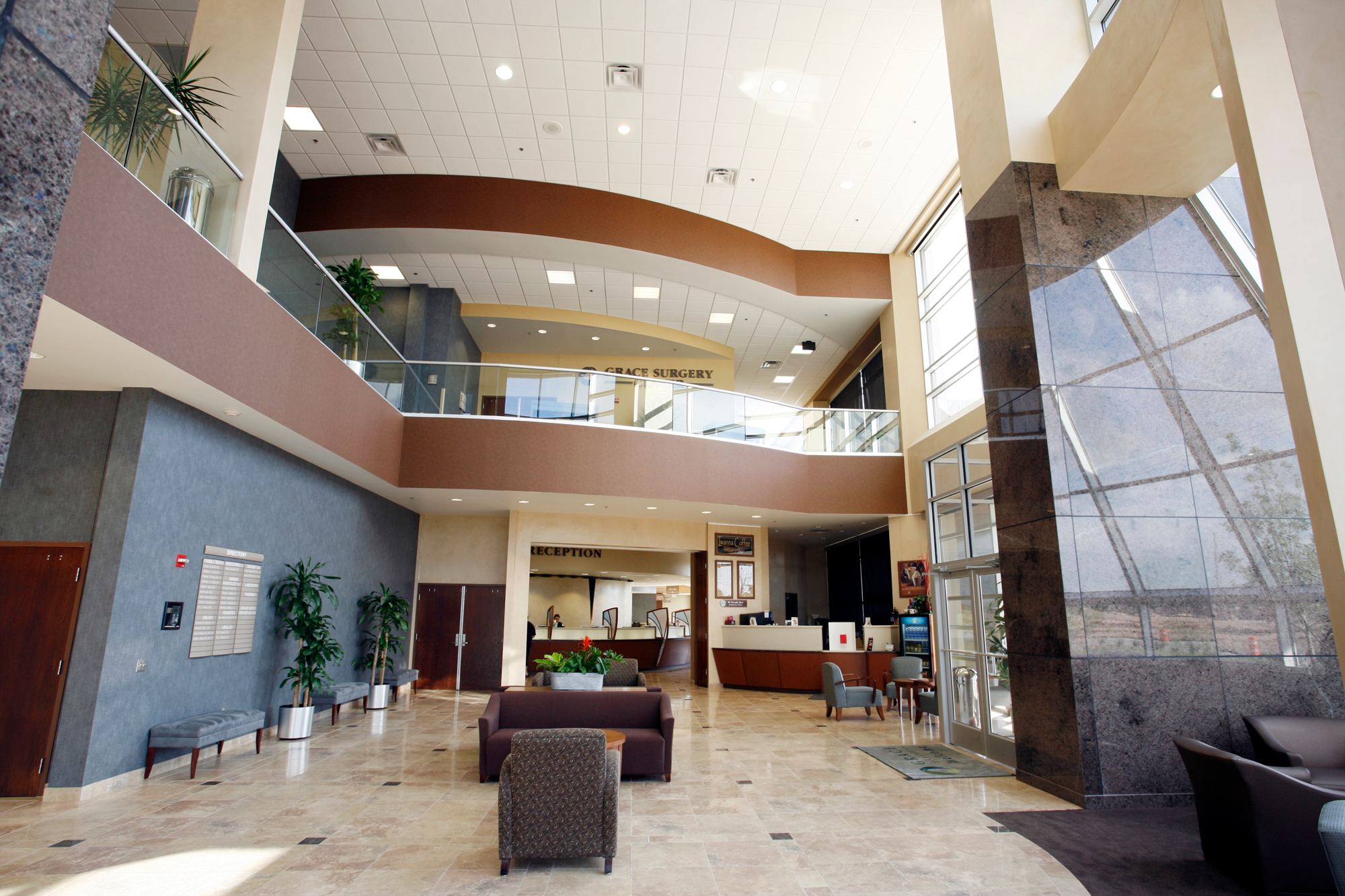
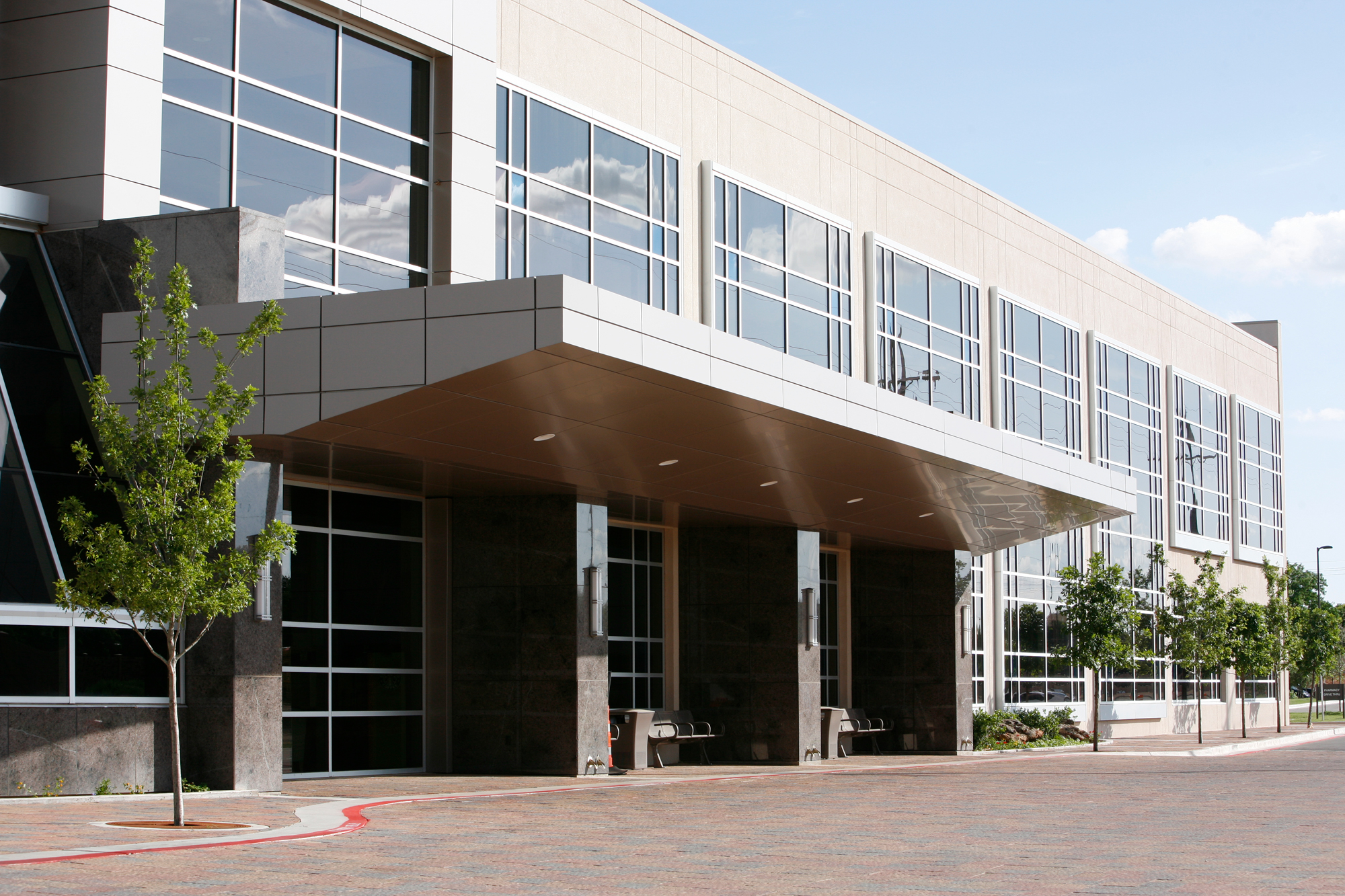
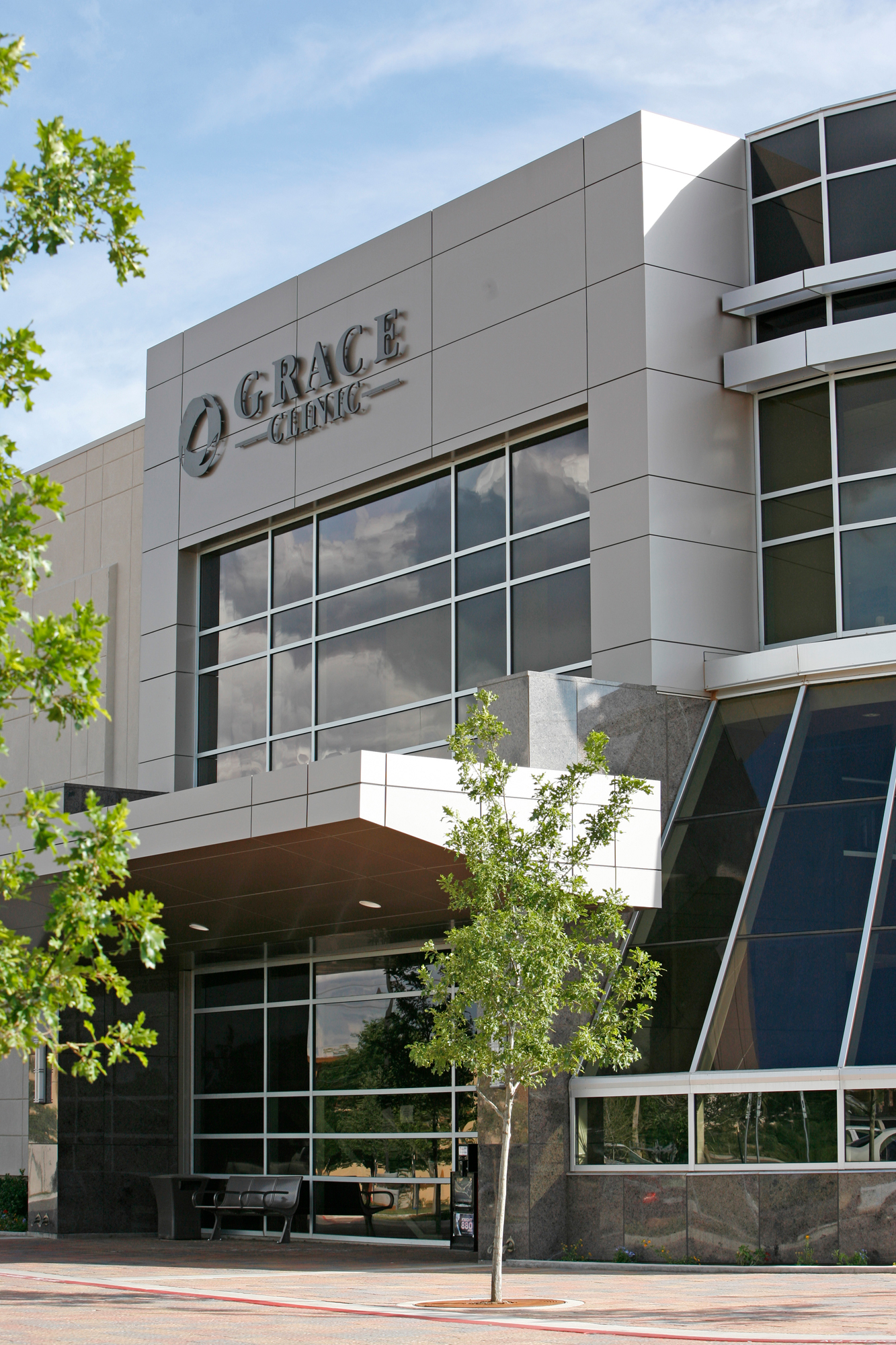
When the owner of Grace Medical Clinic in Lubbock, Texas, looked to the future, he saw a 110,000 square-foot structure with glass and natural light and a focus on patient and practitioner wellbeing.
But inside the multi-story steel structure, a modular approach provided maximum flexibility that allowed the practice to create efficient and expandable spaces that kept patients on a clear path through their visit while allowing the medical team to work efficiently and out of view.
The complex’s modular design, combined with pre-engineered wall panel and roof systems from Butler Manufacturing, allows the clinic to operate with the ability to alter spaces easily or expand quickly if the demand for services continues to grow. This hybrid approach allows for aesthetic and practical designs to work hand in hand to serve the community.
Why Design for Flexibility Matters
Buildings are long-term assets. The ability to adapt, expand, and optimize over time adds value — both for owners and communities. Pre-engineered systems such as those from Butler, when integrated thoughtfully into the architectural process, create the kind of future-focused spaces that evolve as needs shift.
Whether through scalable design, seamless retrofit, or rapid expansion, PEMBs offer a framework for enduring performance — and a smarter way to build for the future.
Citation
- AIA report: Buildings that last: Design for Adaptability, Deconstruction and Reuse, 2024, https://www.aia.org/sites/default/files/2024-11/AIA_Design_Deconstruction_Adaptability_Reuse.pdf

Powered by BlueScope Buildings
Butler Manufacturing is a BlueScope Buildings brand. As part of BlueScope, a global leader in steel, we benefit from a vertically integrated supply chain that ensures consistent material quality, technical depth and ongoing investment in innovation and sustainability. This foundation strengthens Butler systems and reinforces the long-term confidence our customers expect.

