


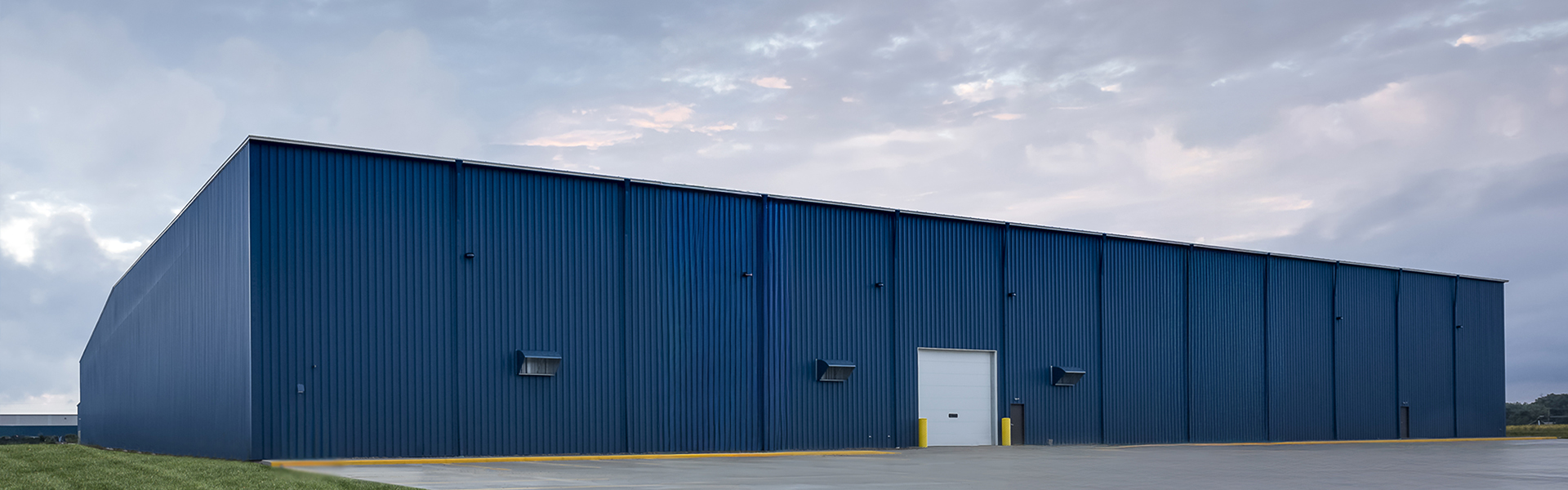
Burr Oak Tool assembly Plant
Partnering with Butler®, Burr Oak Tool expanded with a 120,000-square-foot assembly facility designed for long-term performance. The company prioritized total cost of ownership, structural reliability and scalability to support decades of growth.


Project
Overview
Business momentum at Burr Oak Tool had accelerated. The company’s latest equipment innovations were gaining market share, and leadership recognized the need for an assembly facility designed to support continued growth. Their focus was clear: build for performance today and resilience for decades ahead.
That mindset traces back to the company’s earliest years. Founded in 1944, Burr Oak Tool was shaped by a commitment to hard work and ingenuity — an approach that still guides the business.
The plan included a new 120,000-square-foot assembly facility — the company’s largest expansion to date and its sixth Butler building.


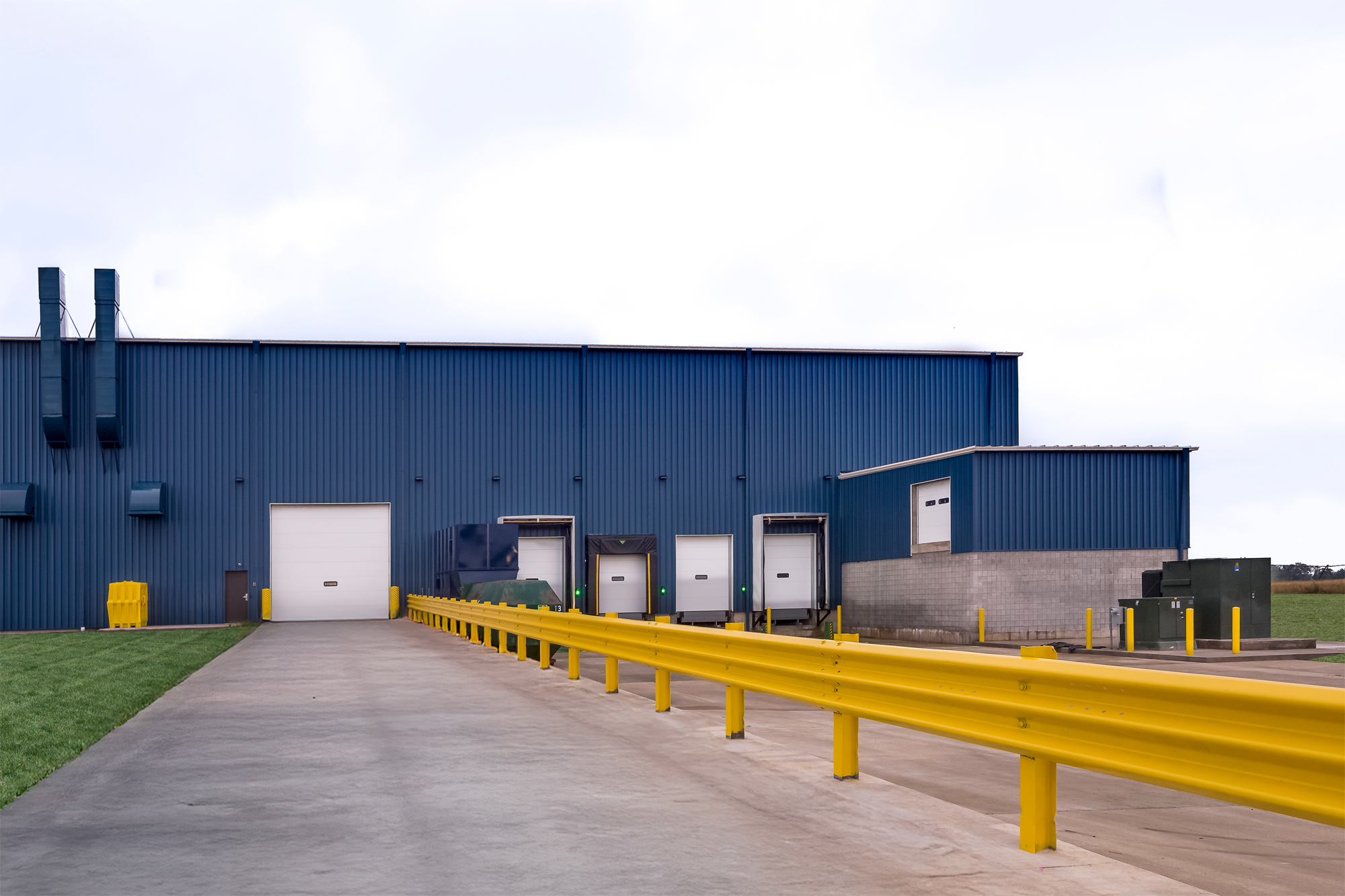
Leadership understood the decision extended far beyond initial cost. The structure needed to perform for the next 30 years or more and offer room to expand up to four times its current footprint.
Working with a long-standing Butler Builder®, the team evaluated options through the lens of total cost of ownership and long-term operational efficiency.
“We want the business leaders of tomorrow to look back and appreciate that the decisions we made today are still relevant in their time. It’s easy to think about what’s the least expensive course of action today and to take it without a second thought. But that type of thinking will not really result in maximum savings. To truly identify the lowest-cost option, future maintenance and operating costs must be factored in. By considering costs over the life cycle of a product, you’ll find that, often, the least expensive option today will end up costing you more over time,” said Newell Franks II of Burr Oak Tool.
Evaluating structural systems, roofing and insulation through lifecycle cost reinforced the value of Butler’s approach.
“It cost us a little bit more to do the thermal block system, but it will more than pay for itself. In fact, it’s cheaper, at first, to have a flat membrane roof than to do a standing-seam metal roof, but you’ll have to replace a membrane roof every 10 years, whereas the Butler roof will last 40 or 50 years if you take any kind of care of it. Think about the life cycle cost,” Franks said.
The design requirements were specific. To eliminate internal gutters, the facility needed to span 400 feet. The integrated crane system set the 38-foot eave height, with a 100-foot, 50-ton capacity. Franks, an engineer, worked closely with the James Ware Construction design team to ensure the structure met functional needs without compromising future scalability.
It cost us a little bit more to do the thermal block system, but it will more than pay for itself. In fact, it’s cheaper, at first, to have a flat membrane roof than to do a standing-seam metal roof, but you’ll have to replace a membrane roof every 10 years, whereas the Butler roof will last 40 or 50 years if you take any kind of care of it.
Choosing a Butler building system was straightforward. Burr Oak Tool had partnered with the construction firm and Butler for more than three decades with consistent results.
The completed facility supports more than 100 employees and enables efficient assembly operations for a global customer base spanning more than 70 countries. Visitors immediately recognize the scale and utility of nearly three acres of open floor space — a structure designed with purpose and built for longevity.
Delivered in time for Burr Oak Tool’s 70th anniversary, the facility reflects the company’s continued progression and the strength of American family-owned manufacturing. It stands as a deliberate investment in the next generation of innovation and the systems required to support it.


